







A Valid Will That Still Missed the Mark: Why the Right Questions Matter
A recent High Court case shows that a Will can be valid and still not do what you intended.
Many people believe that once their Will is written and signed, their wishes are taken care of. A recent High Court case shows that’s not always true.
What happened
A 92-year-old businessman owned 11 properties and several family companies. Over the years, he made five Wills.
After a falling-out with his daughter, he made a final Will. It reduced her share of the family businesses and gave more to his son.
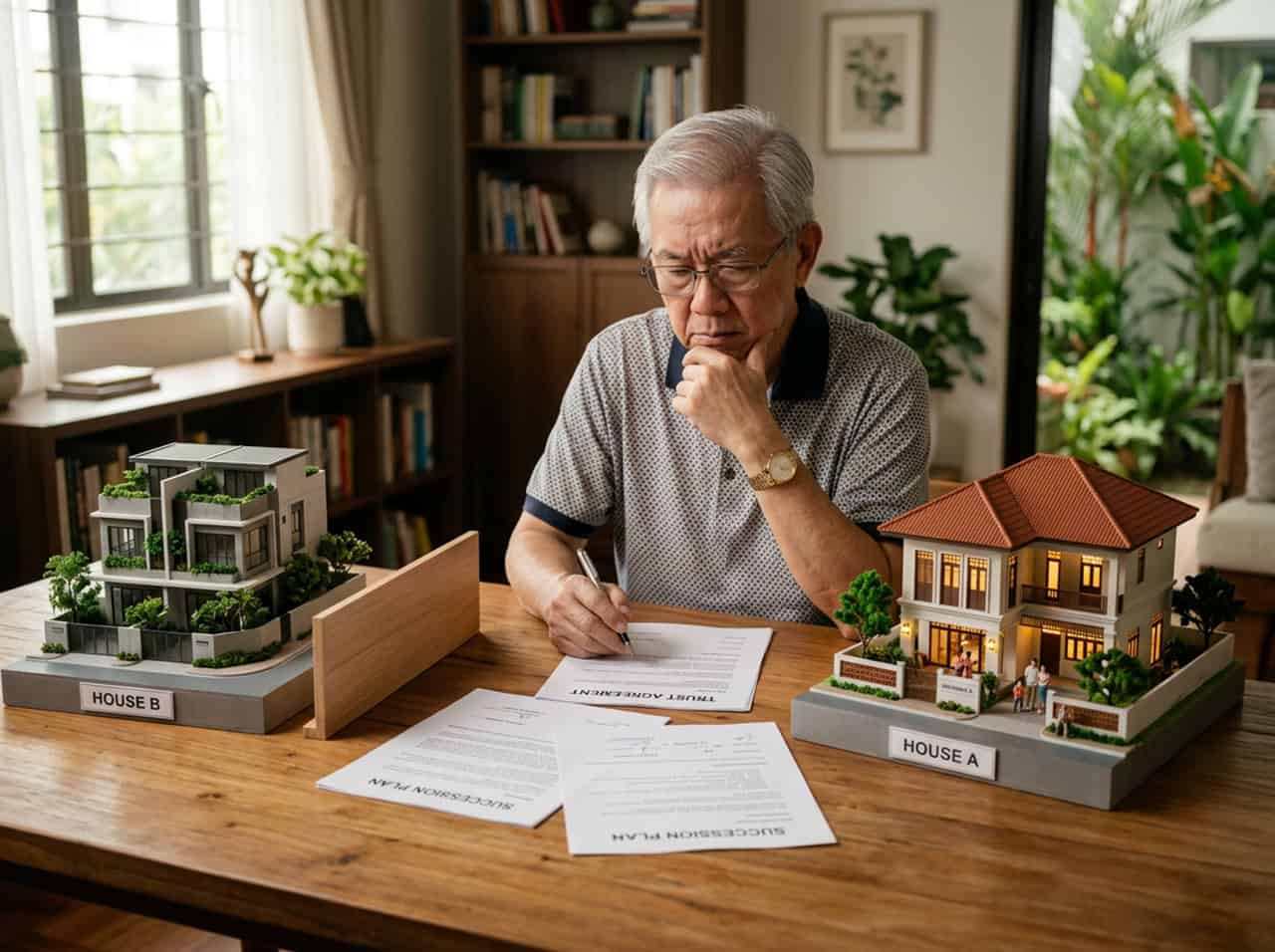
He also made one more change. He had always planned to leave two neighbouring houses to his two grandsons, one house each. In his final Will, he swapped which grandson would get which house.
That swap is where things went wrong:
- One house was in his name alone. That house went to the elder grandson, as planned.
- The other house was owned together with his wife. When one co-owner passes away, a house owned this way automatically goes to the surviving owner, whatever the Will says. So when he died first, that house went to his wife, not to his younger grandson.
- His wife had already lost the mental ability to update her own Will. Her existing Will left that same house to the elder grandson.
The result: the elder grandson ended up with both houses, and the younger grandson received neither. That was almost certainly not what the grandfather wanted.
The court found the Will valid. The grandfather knew what he was doing and was not pressured by anyone. But a valid Will is not the same as a Will that works the way you intend.
What could have been done differently
A few questions, asked at the right time, could have changed the outcome:
- “How exactly is each property owned?” Many couples own property as joint tenants. The grandfather was asked who owned each property, and his answers were accepted as given. Some turned out to be wrong. Check your title deed, not your memory.
- “What happens if you pass away first?” If a property is held as joint tenants, it passes automatically to the surviving owner, not under your Will.
- “What does your spouse’s Will say?” The Wills of a couple should work together. If you change yours, check that it still fits with your spouse’s.
- “Can your spouse still change their Will?” If your spouse can no longer make decisions, their Will can’t be changed. Your plan must work around it.
How to check how your property is owned:
Property owners can check this for free. Log in with Singpass to the Singapore Land Authority’s property portal to view your title deed, which shows how your property is held.
Choose someone who plans with you, not just for you
The lesson is not about filling in a document correctly. It’s about working with someone who:
- asks the right questions about your family and your assets,
- asks how your properties and assets are owned, and explains why it matters,
- looks at your plan alongside your spouse’s arrangements,
- walks you through what happens in different situations, such as who passes away first,
- and reminds you to review your plan when your life changes.
At Precepts, our Estate and Succession Practitioners take the time to understand your family, your assets and what you want to achieve. Beyond Will writing, we offer Trust planning, Corporate Executor and Trustee services and Will custody, so your plan is not just written down but can be carried out the way you intended.
A good Will starts with good questions.
Case reference: YHJ v YHK and others [2026] SGHCF 28, High Court (Family Division).
Disclaimer: This article provides general information and should not be considered legal or financial advice. Please consult with qualified professionals for personalised guidance tailored to your specific circumstances.